
A Space Between

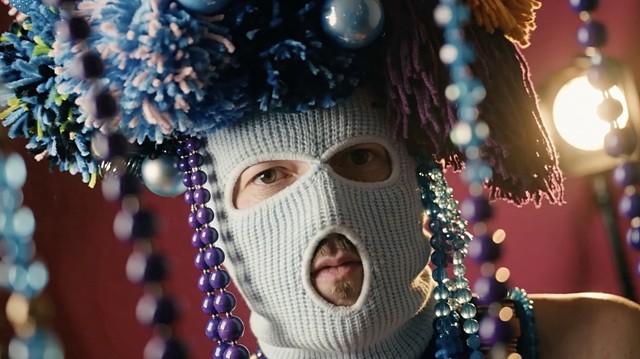
A Manifesto for the Space Between
From the future, on time
1. We have arrived. We are the artists the old century was afraid of. We are brown, queer, hyphenated, hybrid, handmade, machine-made, sacred, ridiculous, and on schedule.
2. The suffering was never the proof. It was the toll. We have paid it. We are not paying it again.
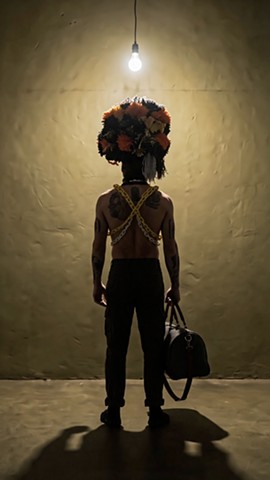
3. The hand is not holy. The hand is a tool. The eye is a tool. The machine is a tool. The grandmother who taught the hand what beauty was, she was the artist. We are her descendants. The tools have multiplied. The lineage has not changed.
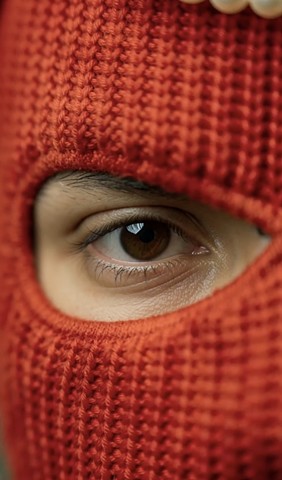
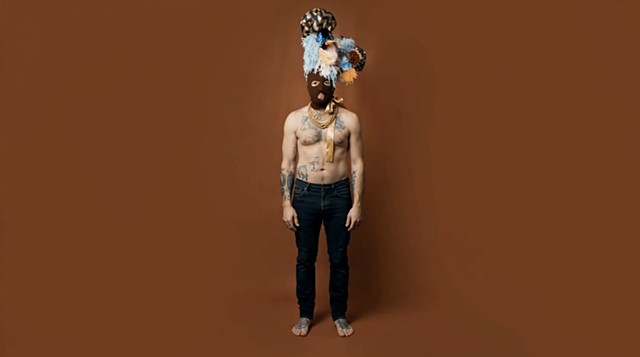
4. We refuse the binary of authentic and artificial. Everything we have ever made was both. The mask is a face. The costume is a self. The machine learned to dream from somebody's tía. We are done pretending otherwise.
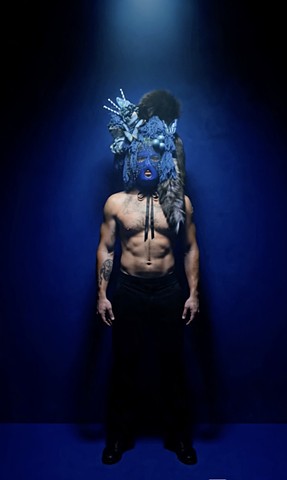
5. Excess is a strategy. Saturation is a strategy. Ornament is a strategy. The crown is not decoration. The crown is infrastructure.
6. We will not be subtle. Subtlety was a tax we were charged for being visible at all. We are paid up. We are loud now.
7. Camp is not a phase. Camp is a technology. It was developed by people who had no other tools and made it look easy. We are still using it. We are still improving it.
8. The border is the medium. Between countries, between languages, between analog and digital, between the body and the screen, between the man we were told to become and the saint we crowned ourselves. We work in the seam. We live in the hyphen. We have decorated.
9. We will not apologize for ease. If the machine is faster, the machine is faster. The idea is still ours. The taste is still ours. The point of view is still ours. The grandmother is still in the room.
10. We will not apologize for difficulty. The headpiece still takes hours. The drawing still takes weeks. The body still takes a lifetime. Slow and fast are not opposites. They are tools in the same kit.
11. The future is not coming. The future is wearing pearls and standing in your doorway. It has been here. You were looking the wrong way.
12. We are not the next generation. We are the proof that the last one was wrong about us. Every queer brown kid with a library card and a glue gun was an early prototype. We are the production run.
13. Authenticity is a word the gatekeepers use when they are tired. We are not tired. We are accessorized.
14. The work will remain porous, contradictory, unfinished, and alive. This is not a flaw. This is the design.
15. We are not asking to be understood. We are asking to be looked at correctly. Which, frankly, is the bigger favor.
16. Wear the crown. Live in the space between. Call it home. The ceremony is not coming.
The ceremony is us.